
Aha! Chemistry with Prof Bob
  • HOME
    • TALK WITH PROF BOB?
  • LEARNING MODULES
    • Chapter 02 Stuff, matter: What is it? >
      • 0200 Stuff, matter: A theory of atoms
      • 0201 Atoms: The building blocks of all stuff
      • 0202 People classifying stuffs. Why?
    • Chapter 05 Chemical reactions and chemical equations >
      • 0500 Chemical reactions vs. chemical equations. Overview
      • 0501 Chemical amount and its unit of measurement, mole
      • 0502 The Avogadro constant: How many is that?
      • 0503 The Avogadro constant: Why is it that number?
      • 0504 Chemical formulas: What can they tell us??
      • 0505 Chemical equations: What can they tell us?
      • 0506 Limiting reactants: How much reaction can happen?
      • 0507 Balanced chemical equations: What are they?
      • 0508 Chemical reactions as competitions
    • CHAPTER 08: Reactions: What happens? >
      • 0803 Categorizaton of reactions
      • 0804 Reactions as competitions
    • Chapter 09 Aqueous solutions >
      • 0901 What is a solution? And what is not?
      • 0902 Miscibility of liquids in each other
      • 0903 Like dissolves like? Shades of grey
      • 0905 Dissolution of ionic salts in water: A competition
      • 0906 Can we predict solubilities of salts?
      • 0907 Solution concentration
      • 0908 Chemical species, speciation in aqueous solution
      • 0909 Solutes: Electrolytes or non-electrolytes?
      • 0910 Electrolytes - strong or weak?
      • 0911 Concentrated, dilute, strong, weak
      • 0912 Species concentration vs. solution concentration
      • 0913 Weak electrolytes: Getting quantitative
    • Chapter 11: Dynamic chemical equilibrium >
      • 1100 Dynamic chemical equilibrium: Overview
      • 1101 Visualising dynamic chemical equilibrium
      • 1102 The jargon of chemical equilibrium
      • 1103 Equilibrium constants: The law of equilibrium
      • 1104 The law of equilibrium: an analogy
    • Chapter 22 Evidence from spectroscopy >
      • 2200 Spectroscopy: Overview and preview
      • 2201 Quantisation of forms of energy
      • 2202 Light: Wave-particle "duality"
      • 2203 Ultraviolet-visible spectroscopy
      • 2204 Beer’s law: How much light is transmitted?
    • ENVIRONMENTAL CHEMISTRY >
      • EARTH'S ATMOSPHERE >
        • Chapter 27 The greenhouse effect, climate change >
          • 2700 The greenhouse effect: overview
          • 2701 Is Earth in energy balance?
          • 2702 CO2 in the atmosphere before 1800
          • 2703 So little CO2! Pffft?
          • 2704 Does CO2 affect Earth's energy balance?
          • 2705 The "greenhouse effect"
          • 2706 Why does CO2 absorb radiation from Earth?
          • 2707 The "enhanced greenhouse effect"
          • 2708 Why doesn't CO2 absorb the radiation from the sun?
          • 2709 Why are N2 and O2 not greenhouse gases?
          • 2710 Doesn't water vapour absorb all the IR?
          • 2711 Carbon dioxide from our cars
          • 2712 The source of energy from combustion
          • 2713 Comparing fuels as energy sources
          • 2714 Methane: How does it compare as a GHG?
          • 2715 Different sorts of pollution of the atmosphere
          • 2716 "Acidification" of seawater
      • FUELS
      • EARTH'S OCEANS AND WATERWAYS
  • TEACHERS' CORNER
    • TC01 Language and meaning in chemistry >
      • TC0101 The jargon we use
    • TC02 REPRESENTATION IN CHEMISTRY
    • TC03 MODELLING IN CHEMISTRY
    • TC04 KNOWING AND LEARNING
    • TC05 Communicating chemistry >
      • TC0501 Overview, preview
    • TC06 COMPLEXITY of LEARNING CHEMISTRY
    • TC07 PEDAGOGOICAL CONTENT KNOWLEDGE, PCK >
      • TC0701 Amnesia of the chemistry teaching professioN
    • MODULE-SPECIFIC PCK >
      • Chapter PCK11 Dynamic chemical equilibrium >
        • PCK1101 Visusalizing dynamic chemical equilibrium
        • PCK1103 Equilibrium constants: The law of equilibrium
      • Chapter PCK22 Evidence from spectroscopy >
        • PCK2204 Beer's law
  • REFERENCE DATA
    • 001 Periodic table
  • NAVIGATION
    • Table of contents
    • Index, alphabetical


​The University of western Australia
​

Picture
How could you not find places for inspiration or contemplation on this wonderful campus? And what a logo: SEEK WISDOM!

The inclusion of this page in no way suggests that this website has any official status with the University of Western Australia. I have loved working at this institution for its scholarship, the architecture and magnificent grounds, but this is an entirely personal venture.
Picture
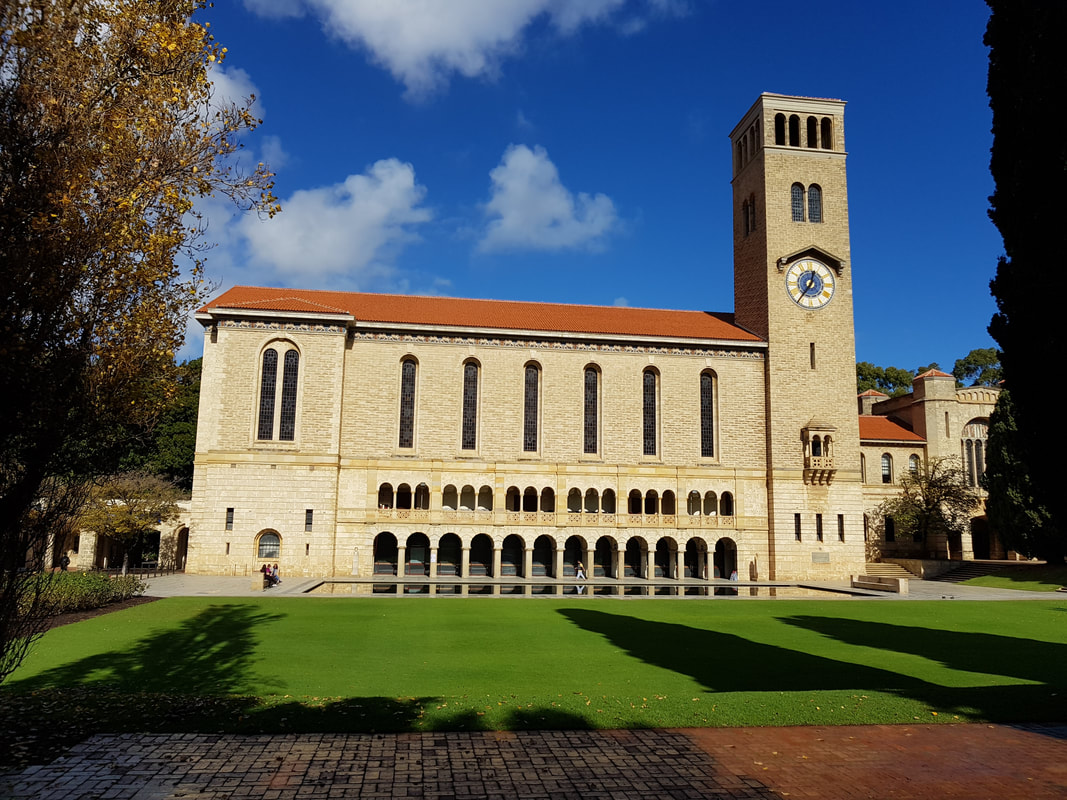
The very grand Winthrop Hall
Picture
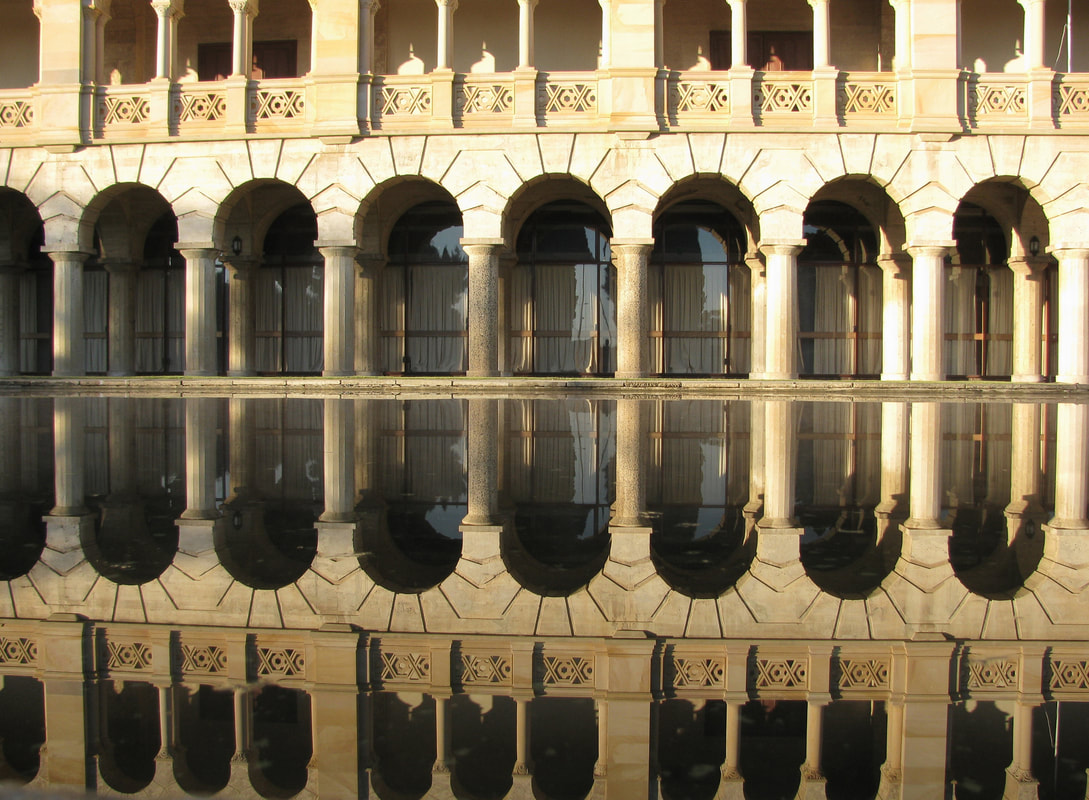
And the reflection pond in front of it
"Reflection" in this scholarly institution has a double meaning. Get it?
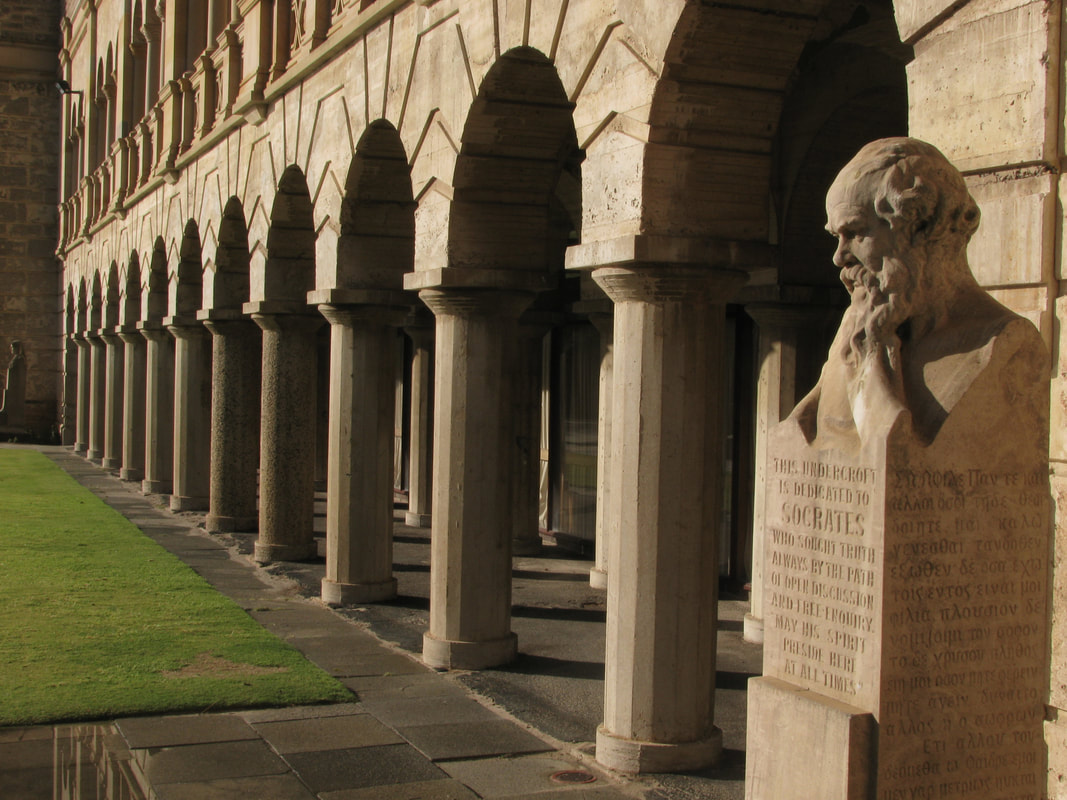
Picture
And what does this wise gentleman have to say?
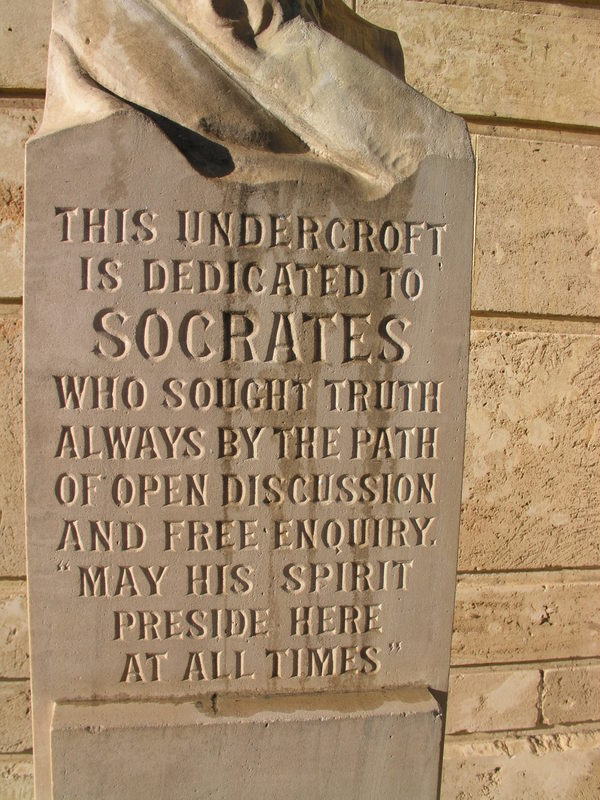
Picture
No wonder everybody bows as they pass. Well, I do, anyway.
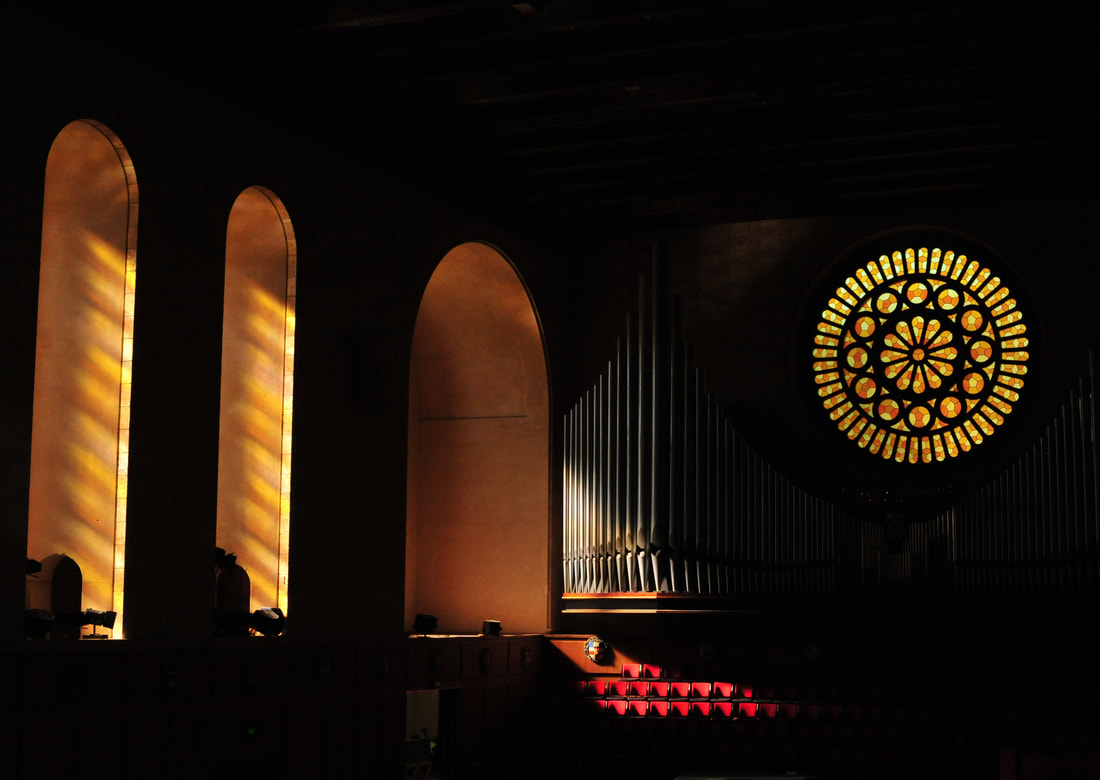
Picture
Inside the grand hall is not too shabby, either.
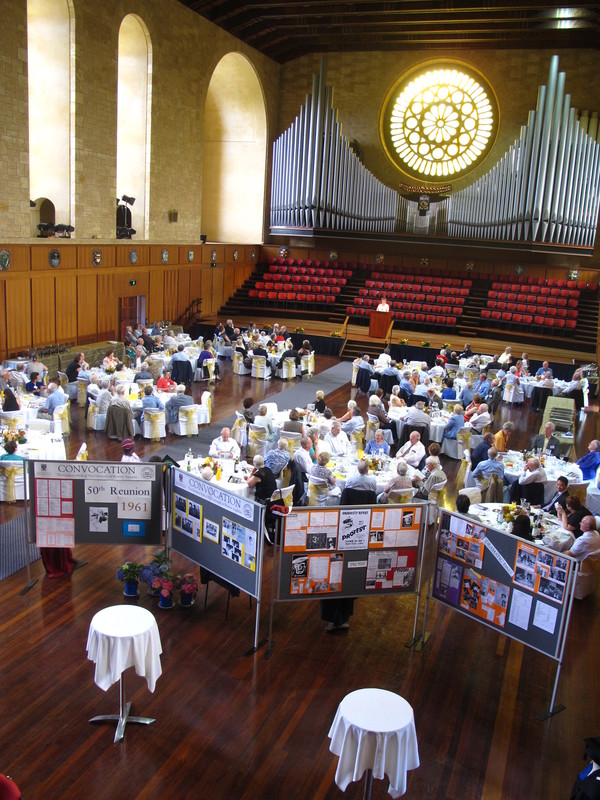
Picture
A wonderful place for functions, but absolutely inspiring for a graduation ceremony - of which I don't yet have a photo.
Picture
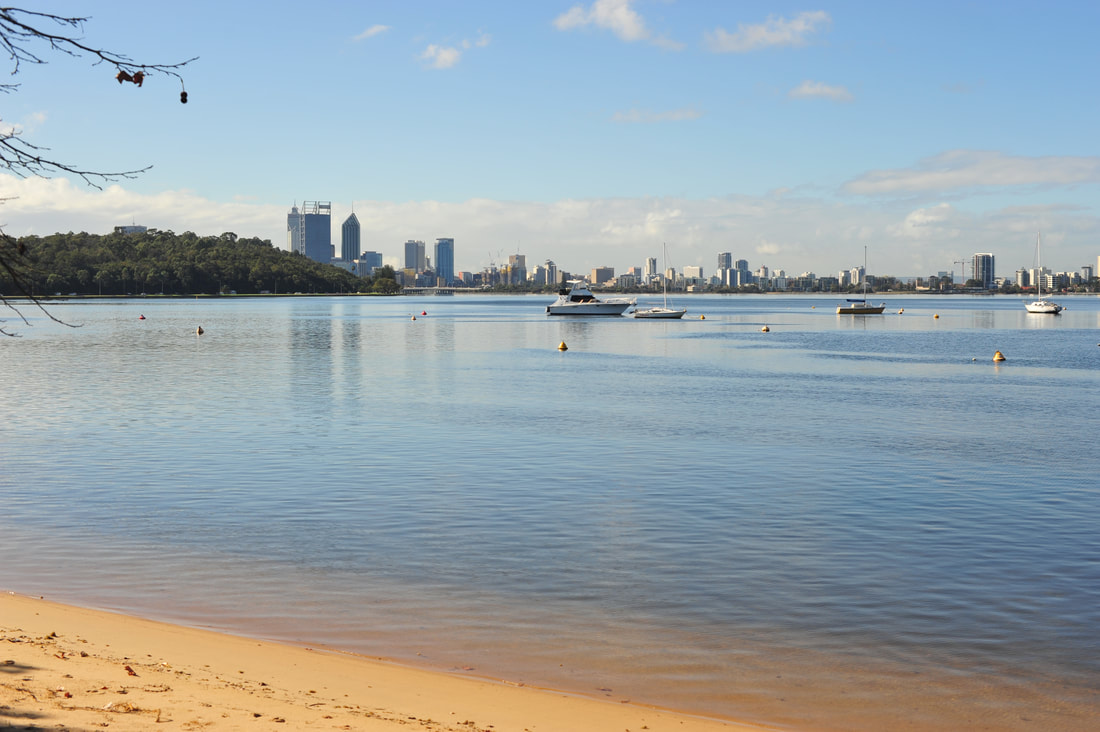
On the banks of the Swan River - which flows past Perth (background), King's Park (left), UWA, and on to the right to the Indian Ocean at Fremantle
Picture
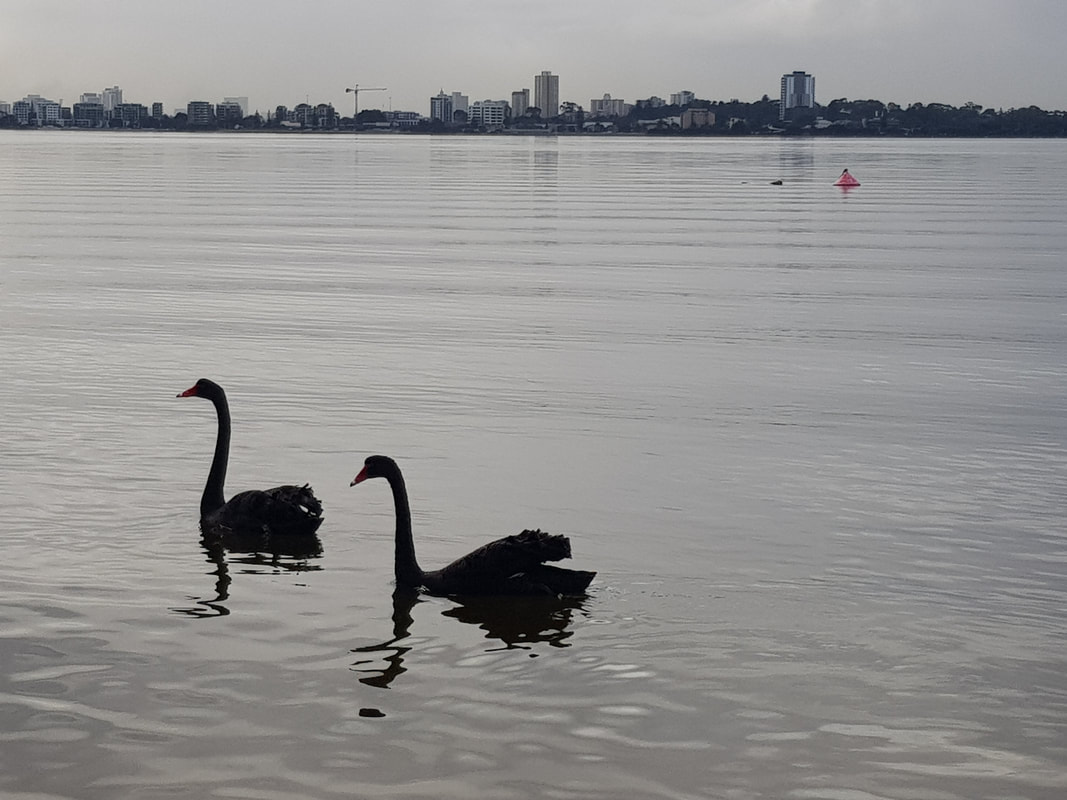
Most people on the planet think that swans are white
Picture
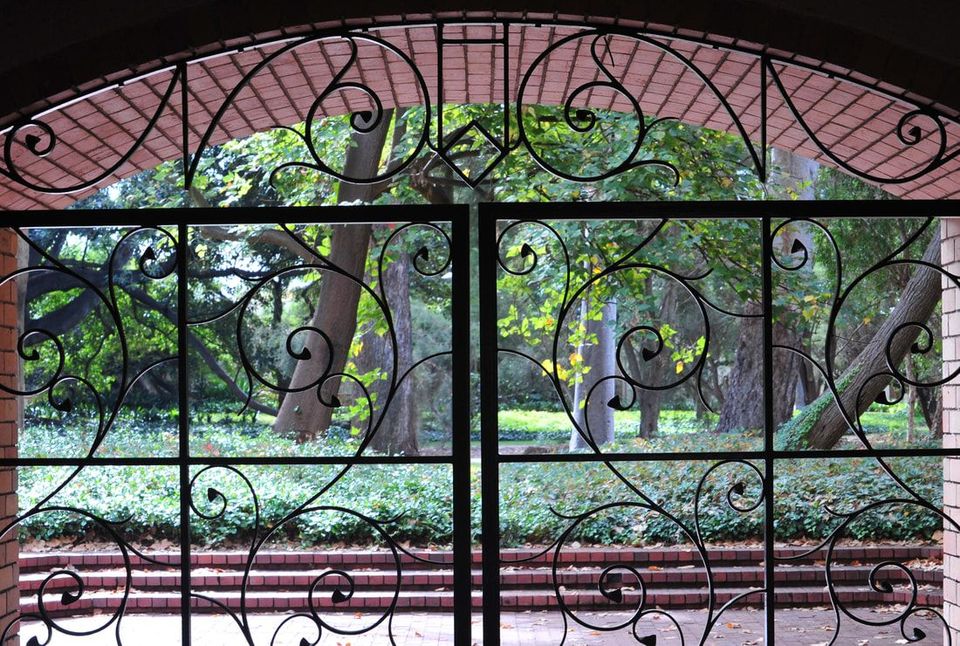
Let's go outside and walk around the amazing campus ..
Picture
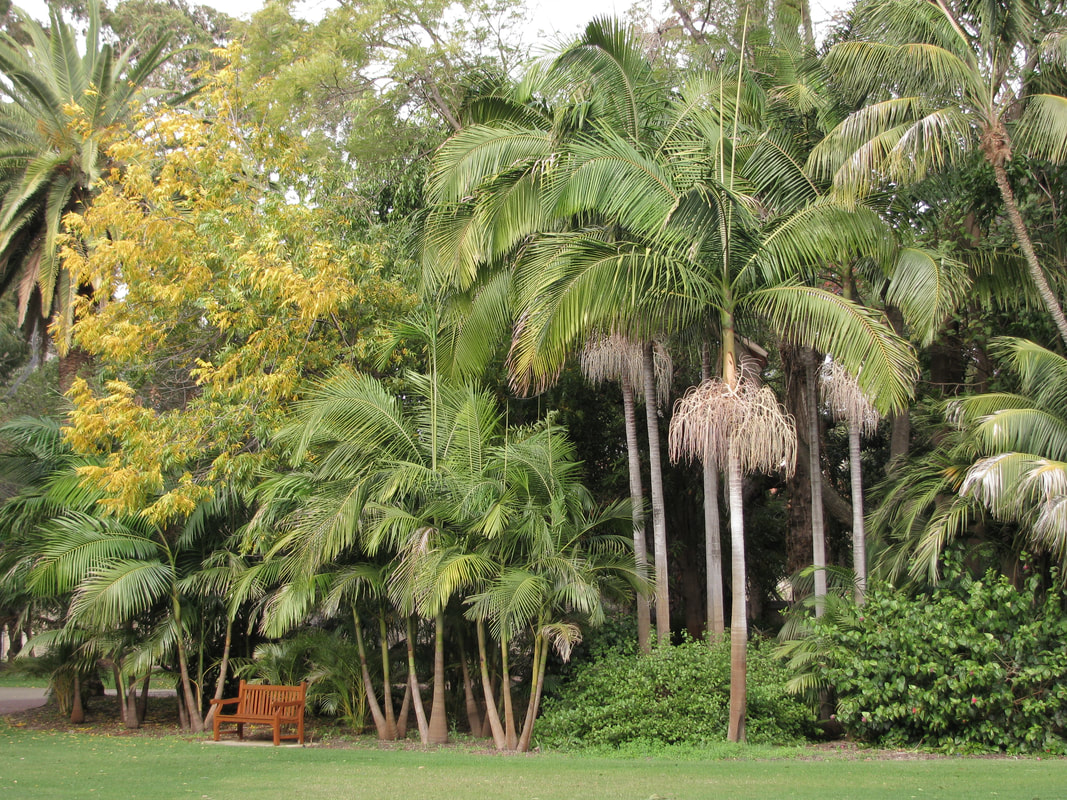
Tropical garden
Picture
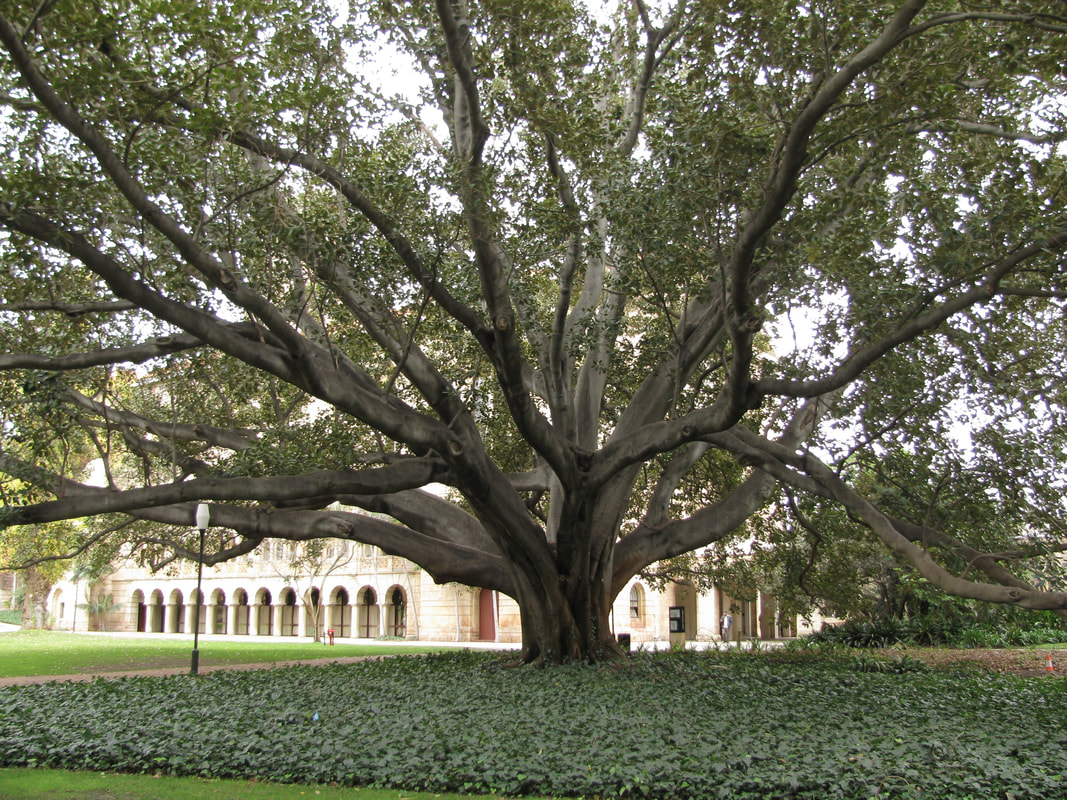
This giant is a Moreton bay fig tree
Picture
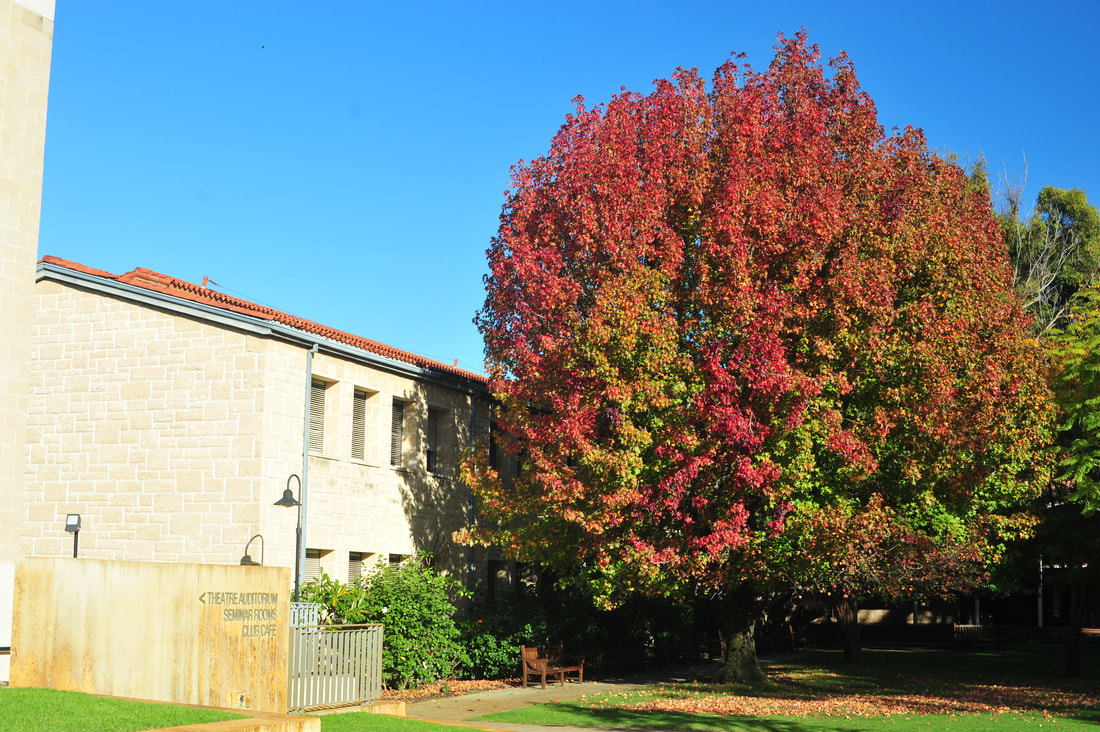
And a non-native liquid amber in early winter - that's June for those of you in the northern hemisphere
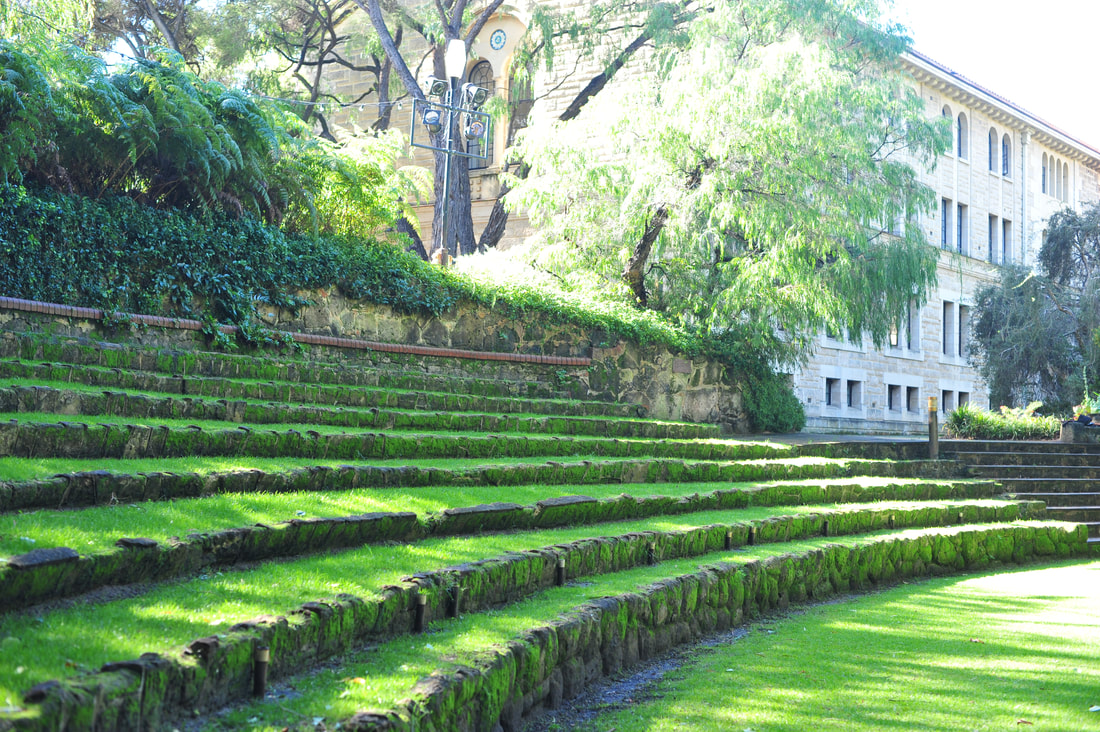
Picture
Having a wedding or a drama performance? The Sunken Garden.
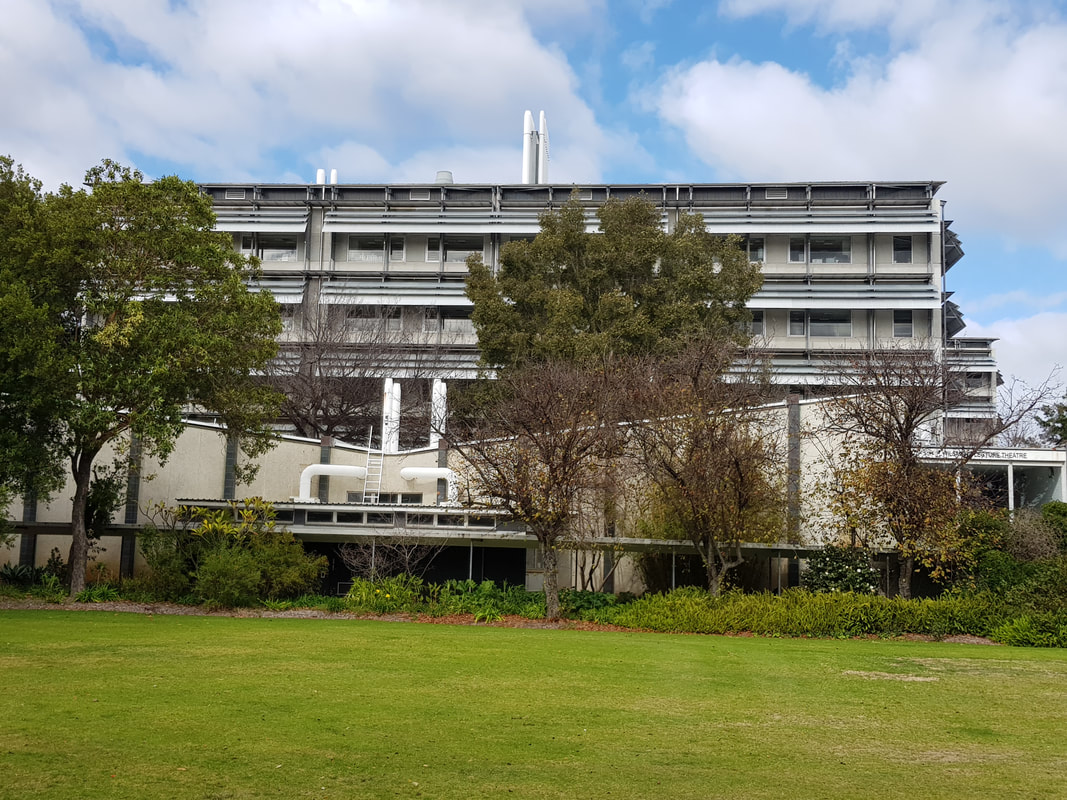
Picture
Where it all happens .... Chemistry
Picture
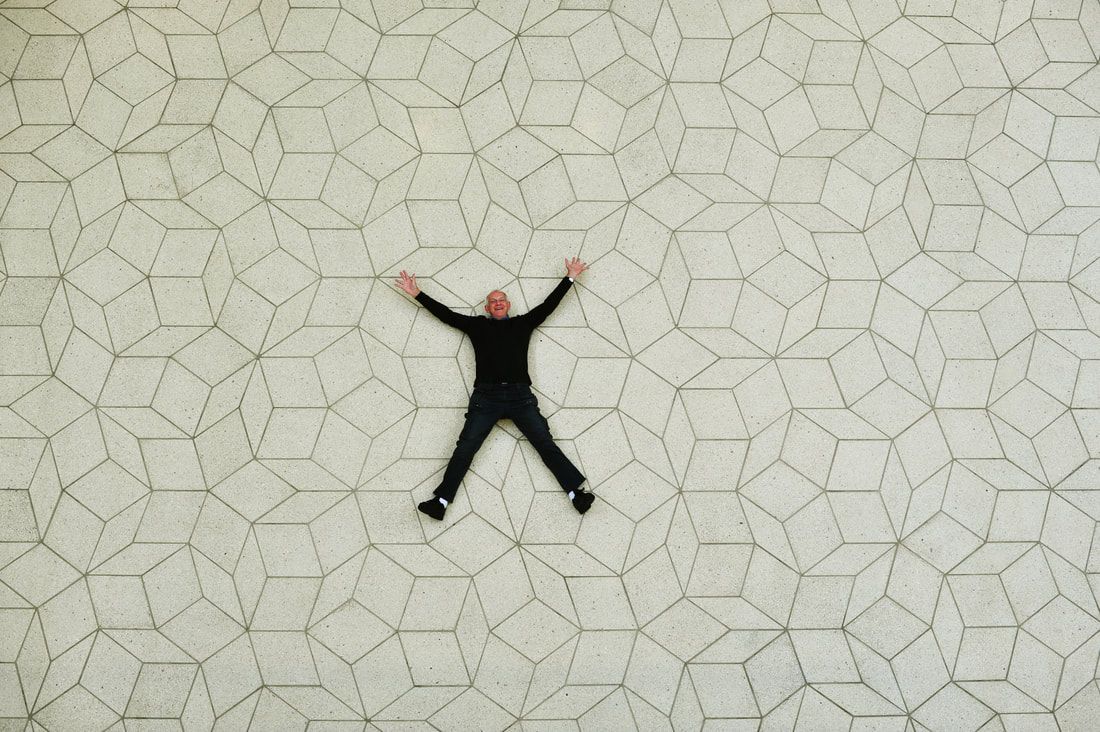
And the floor tiling in the superb atrium of the Chemistry and Biochemistry building has unusual five-fold symmetry (as well as some idiot sleeping). Can you pick it out?
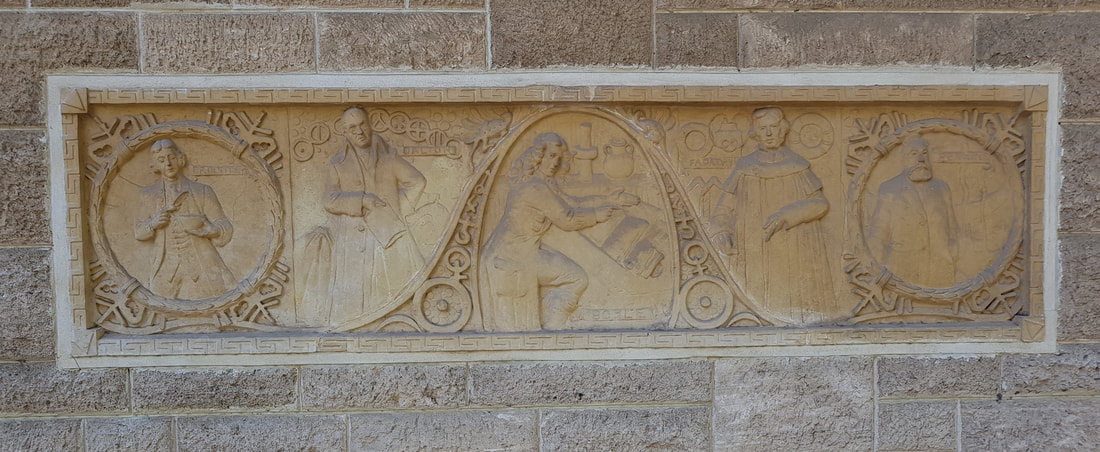
Picture
A frieze in the limestone walls of the original chemistry building has representations of the greatest chemists from the past. You might be able to read their names?
But just in case you cannot: Priestley, Dalton, Boyle, Faraday, and Perkins. What were they famous for?
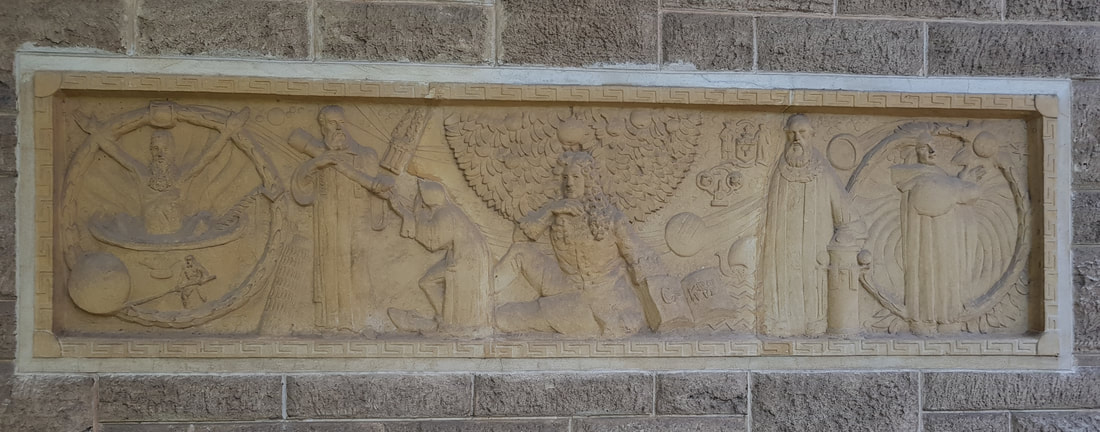
Picture
And this frieze in the original physics building represents famous physicists. The creators saw no need for names: the representations are self-explanatory. Aren't they?
Picture
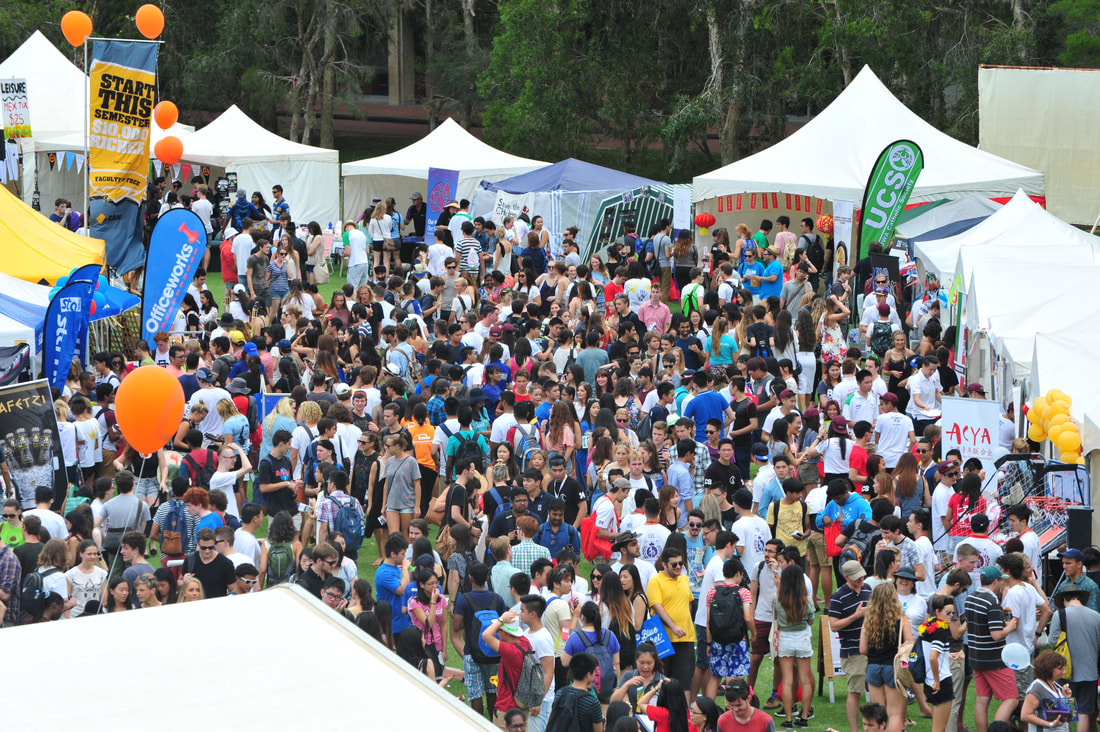
Just in case you think that there are no students ..... Orientation Day
Picture
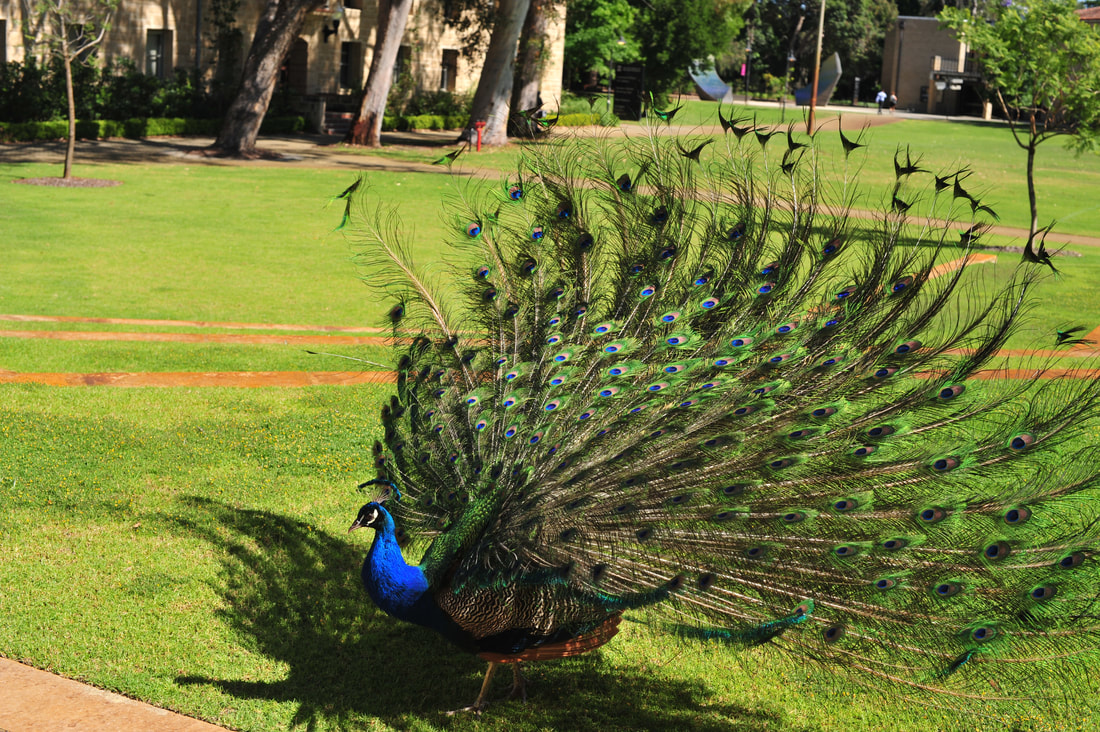
He and his girlfriends are permanent residents of the Arts Faculty
Picture
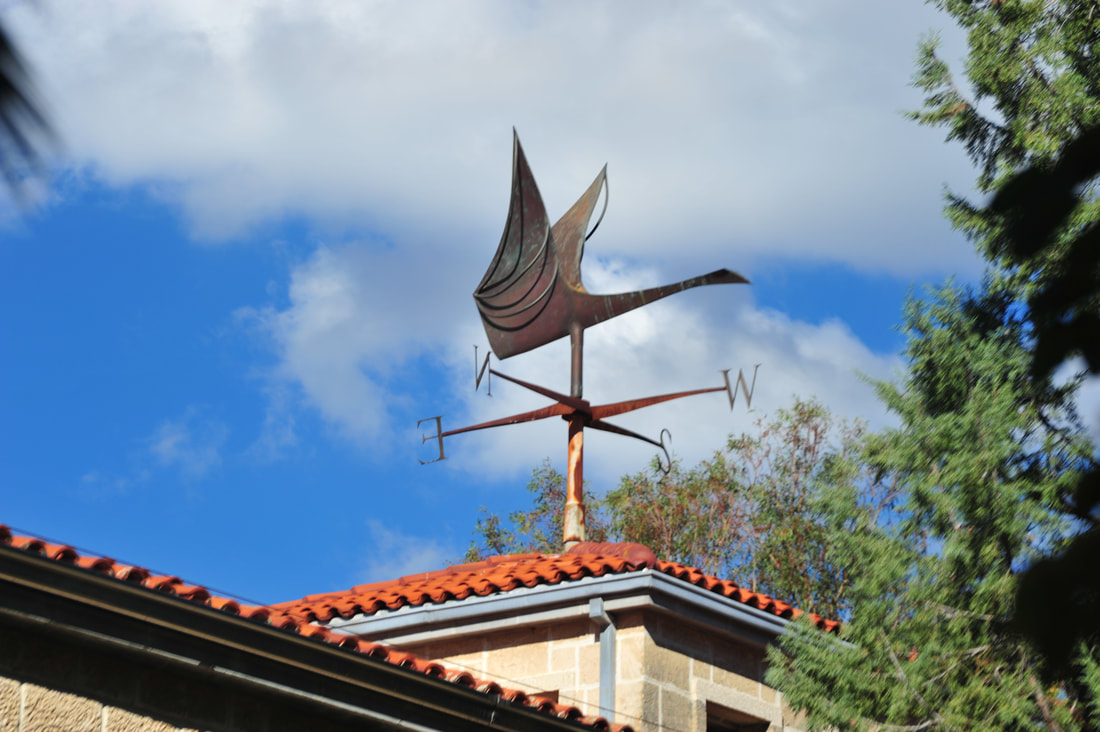
Some people say that academics always need to know which way the wind is blowing. I wouldn't .........
Picture
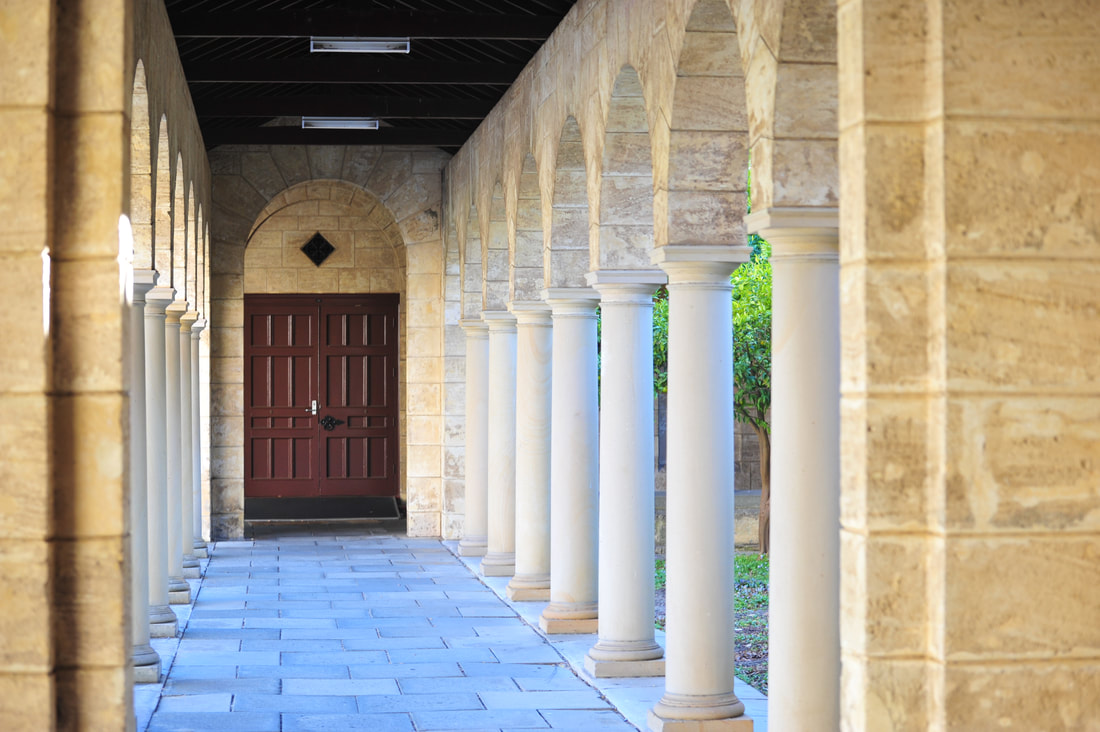
A hint of Oxford in the colonnades of the older part of the university
Picture
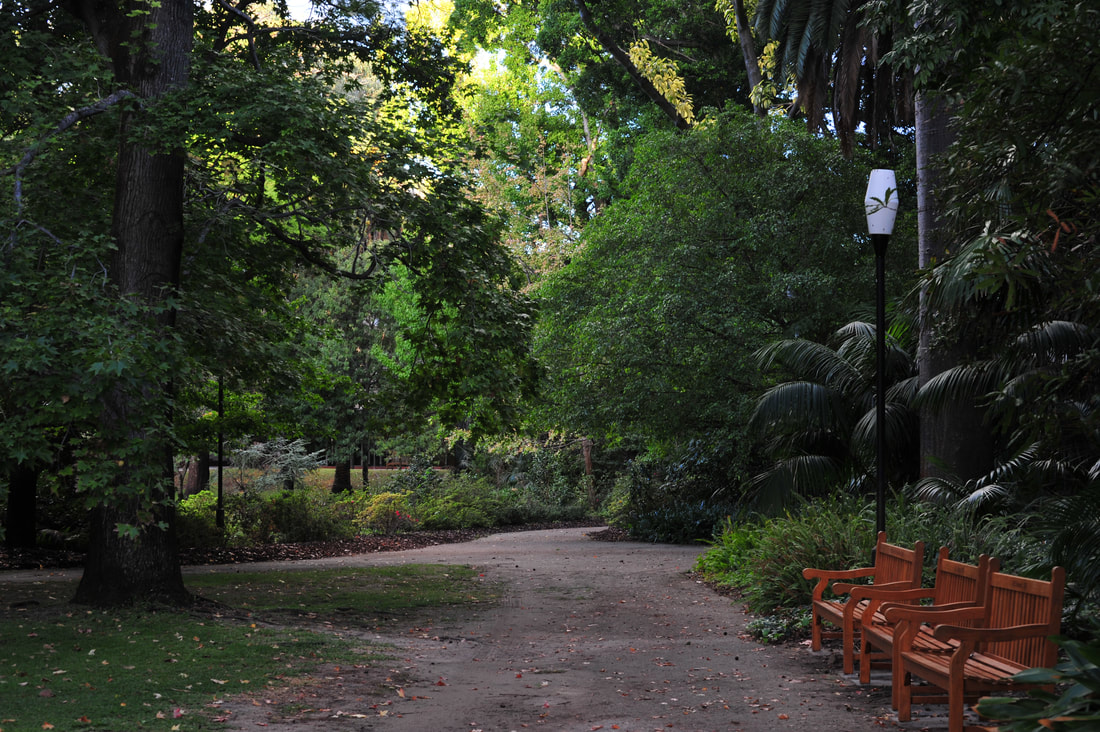
A thinking place. How many ideas have brewed here?
Picture
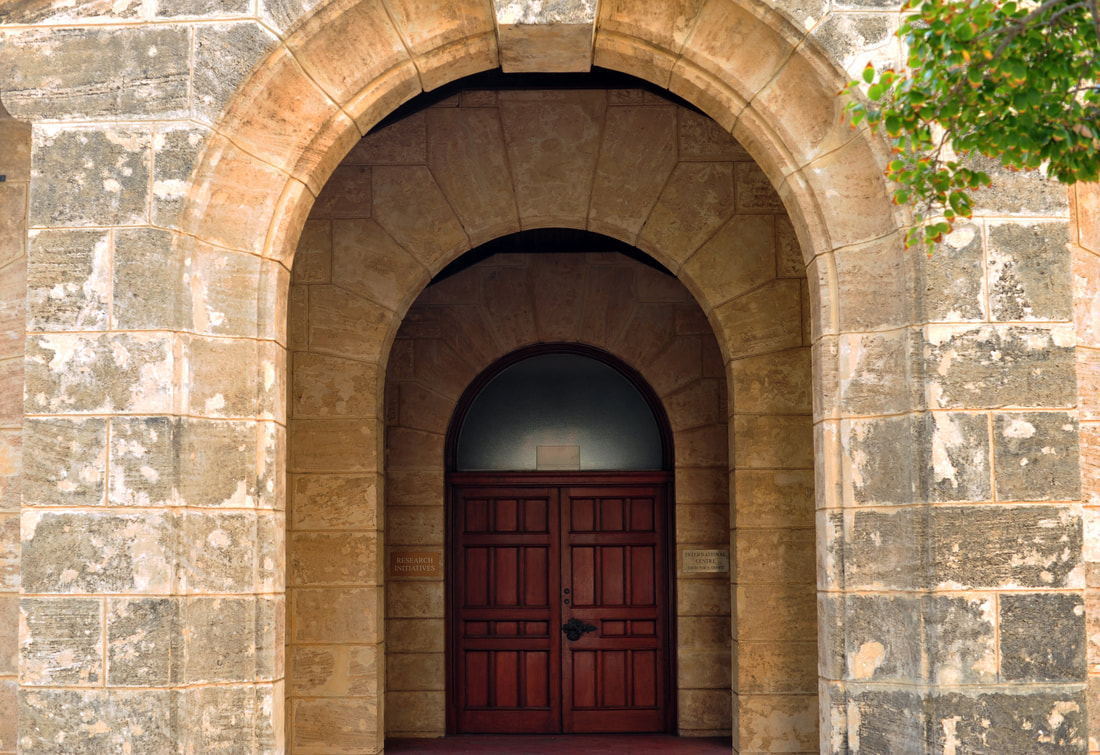
Gotta have a sense of awe going through the arches
Picture
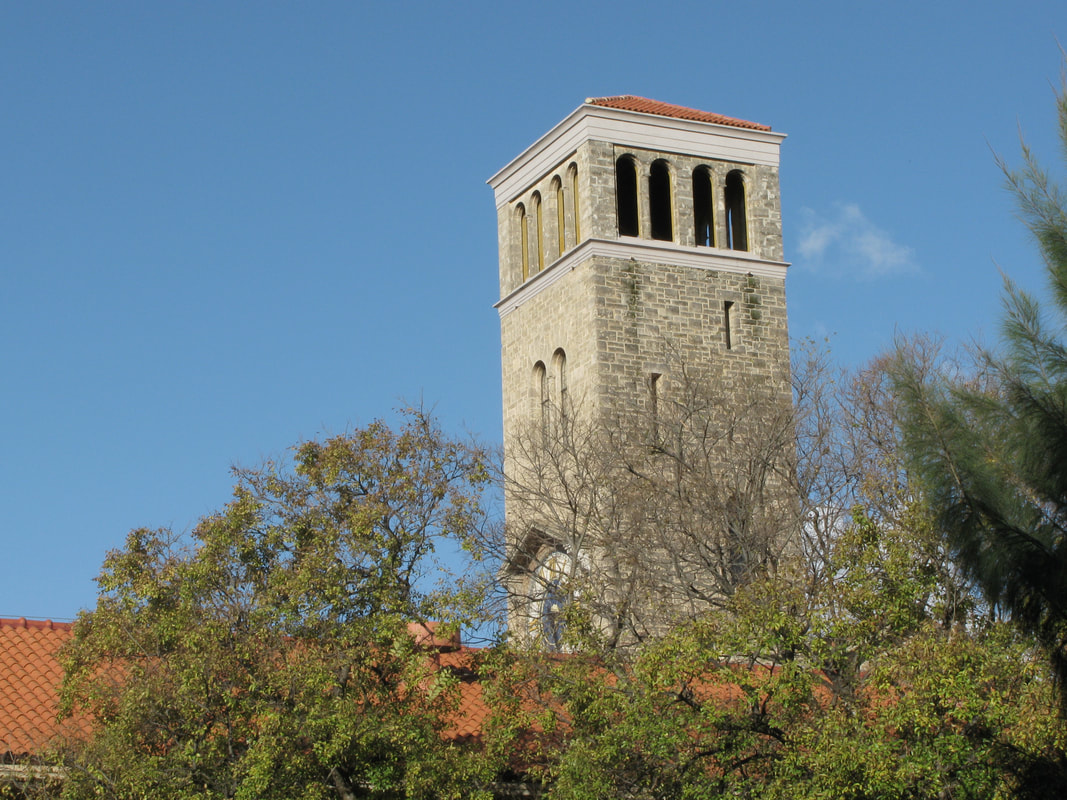
Even from the rear, the Winthrop clock tower is a majestic landmark
Picture
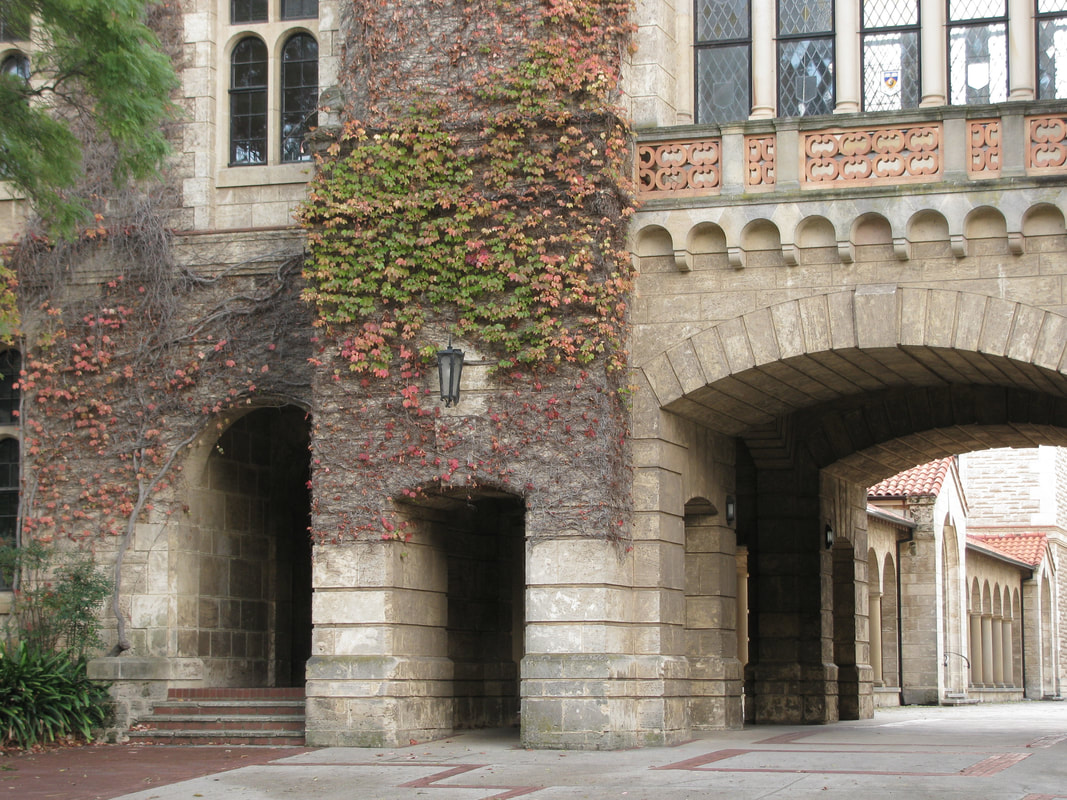
Underneath the tower. Ivy, of course!
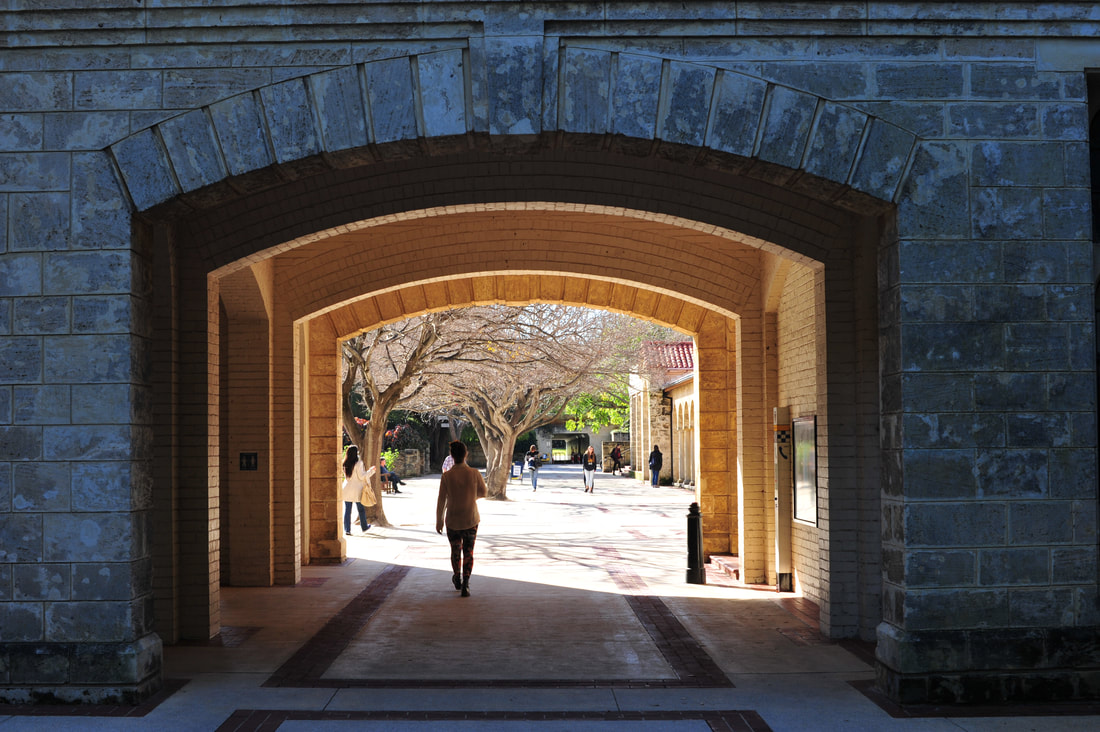
Picture
Let's go back to where we started - the front of Winthrop Hall and the reflection pond
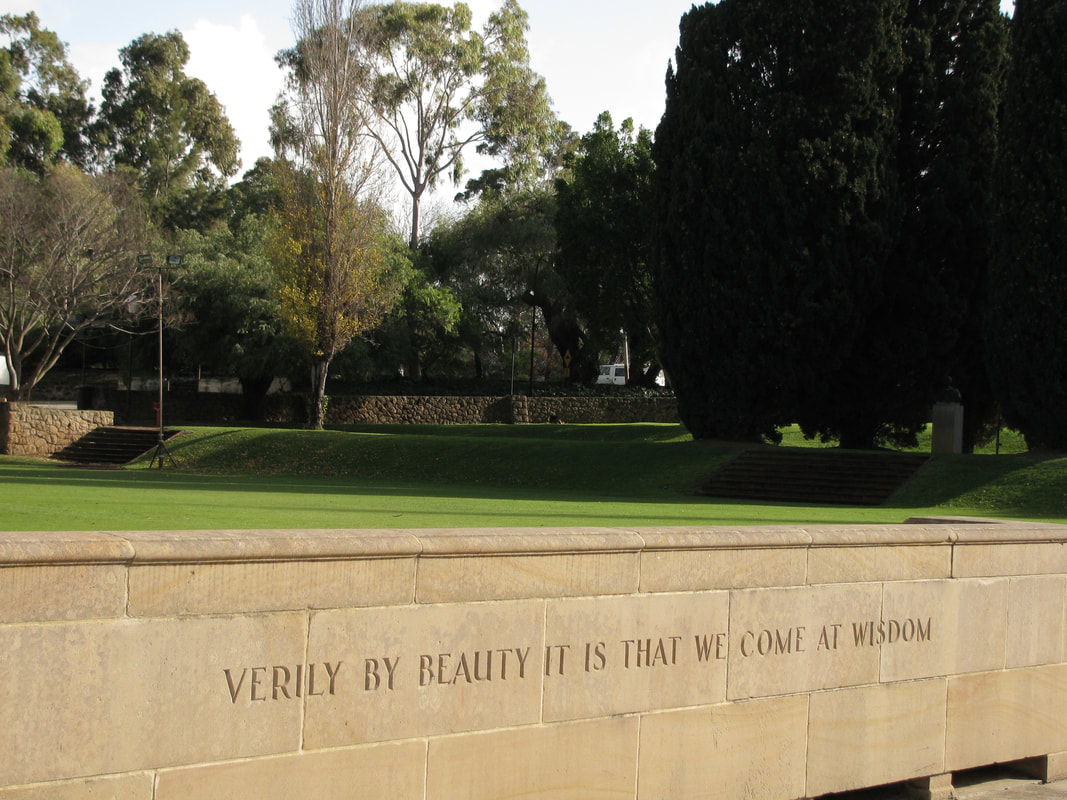
Picture
And I thought that it was age. Wrong again!
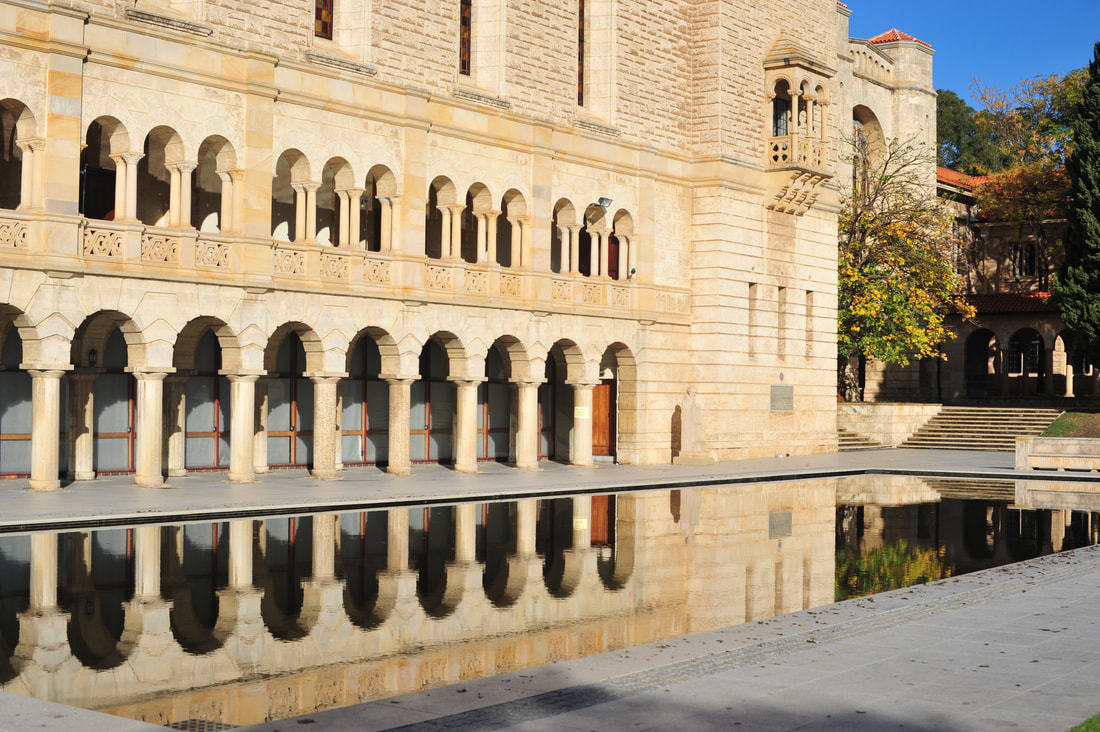
Picture
I think that it is worth seeing again. Can you see Socrates (or his shadow)?
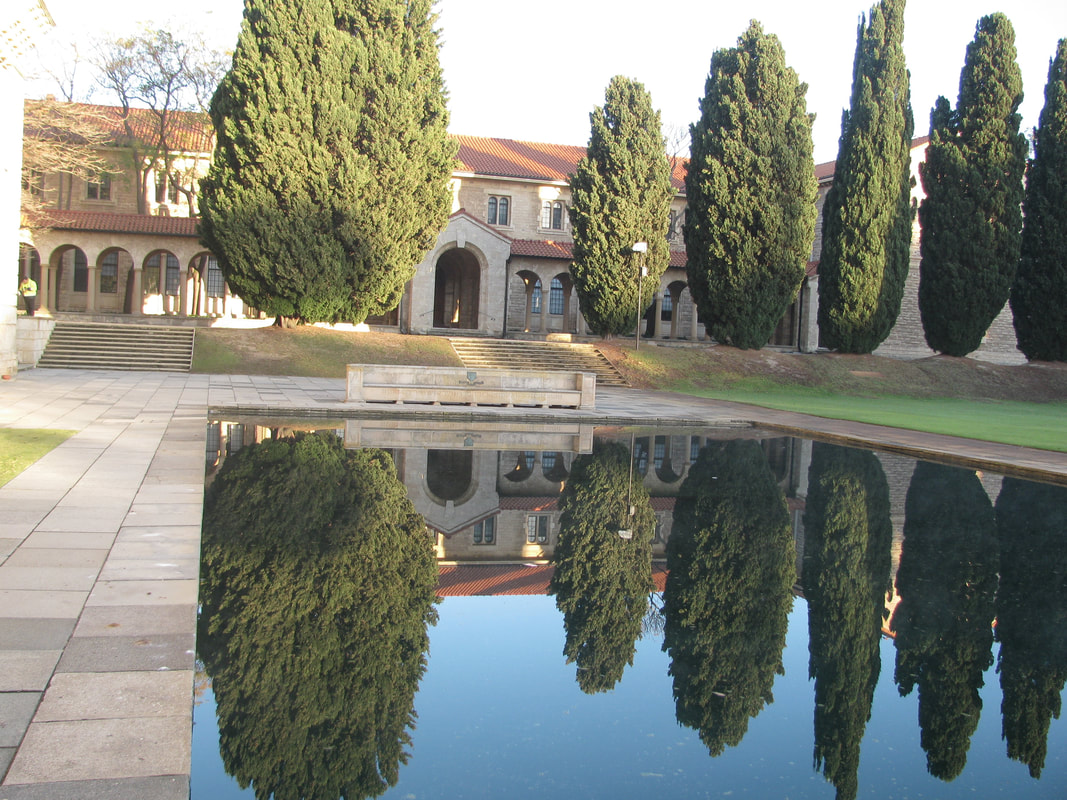
Picture
August and serene.
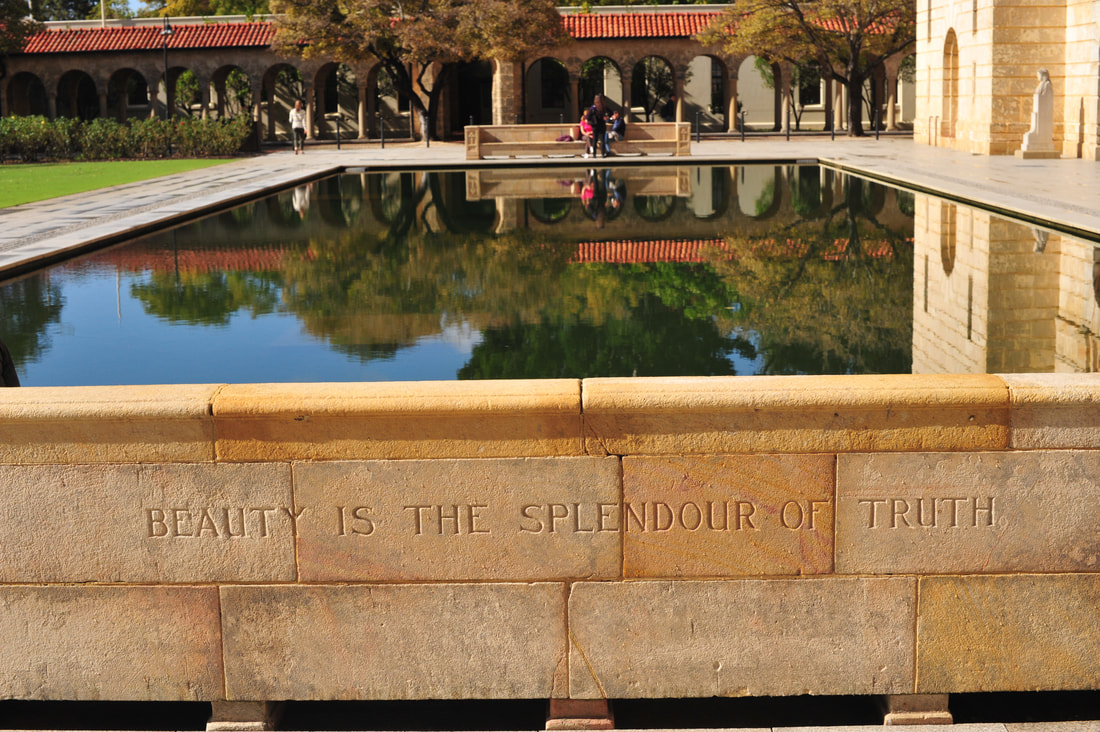
See the stone bench at the other end of the pool? I wonder if there is anything written on the back of it ......
Picture
Indeed there is. Write a 20-page essay on the subject.
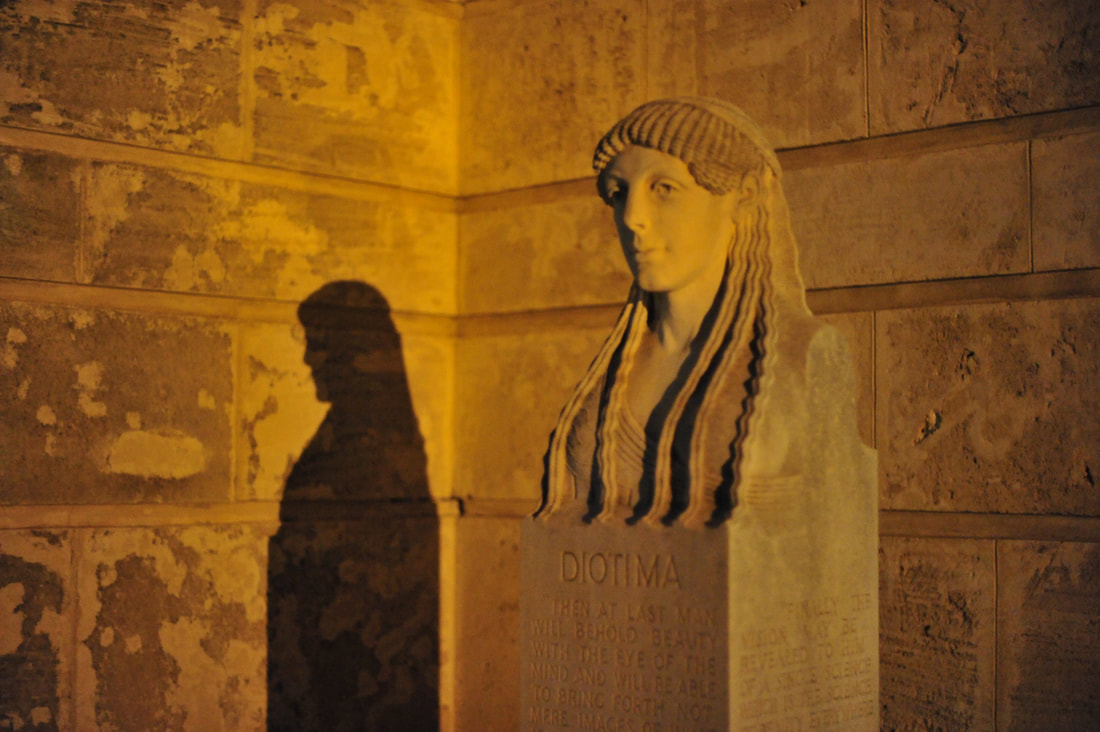
And see the statue on the far right ......
Picture
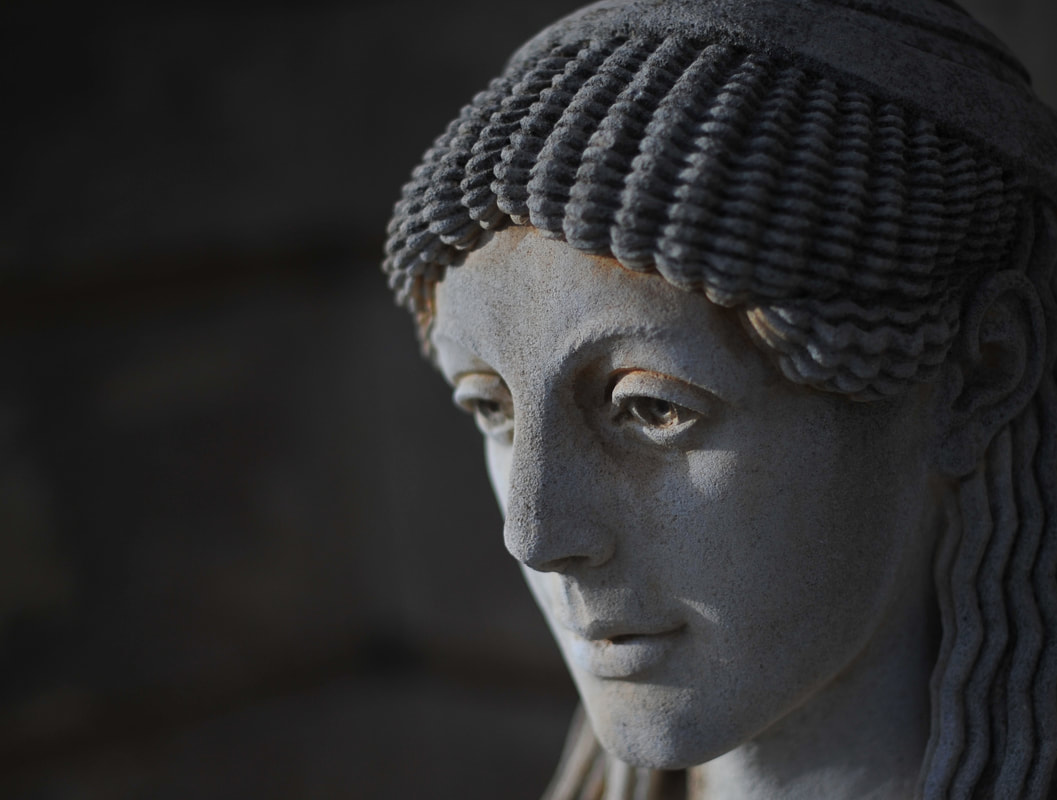
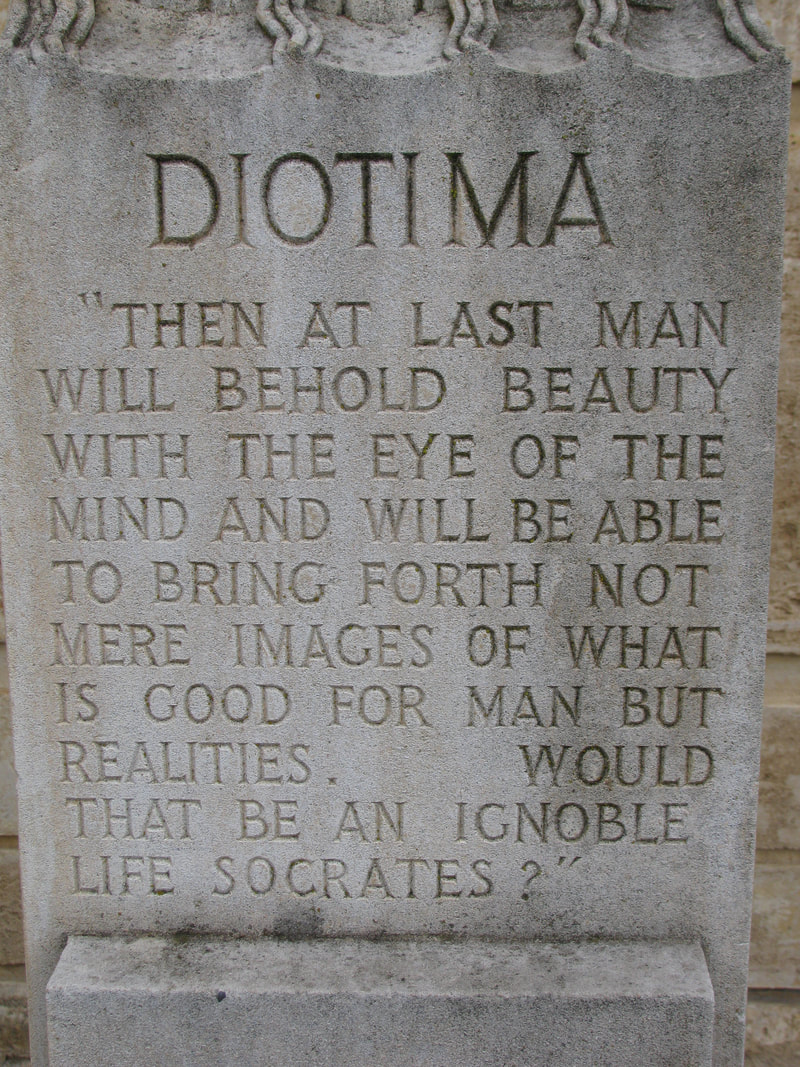
Diotima - mentor of Socrates
Picture
Such striking features - especially for someone who has been standing in the Perth sun for 104 years
Picture
It would not, Diotima
Picture
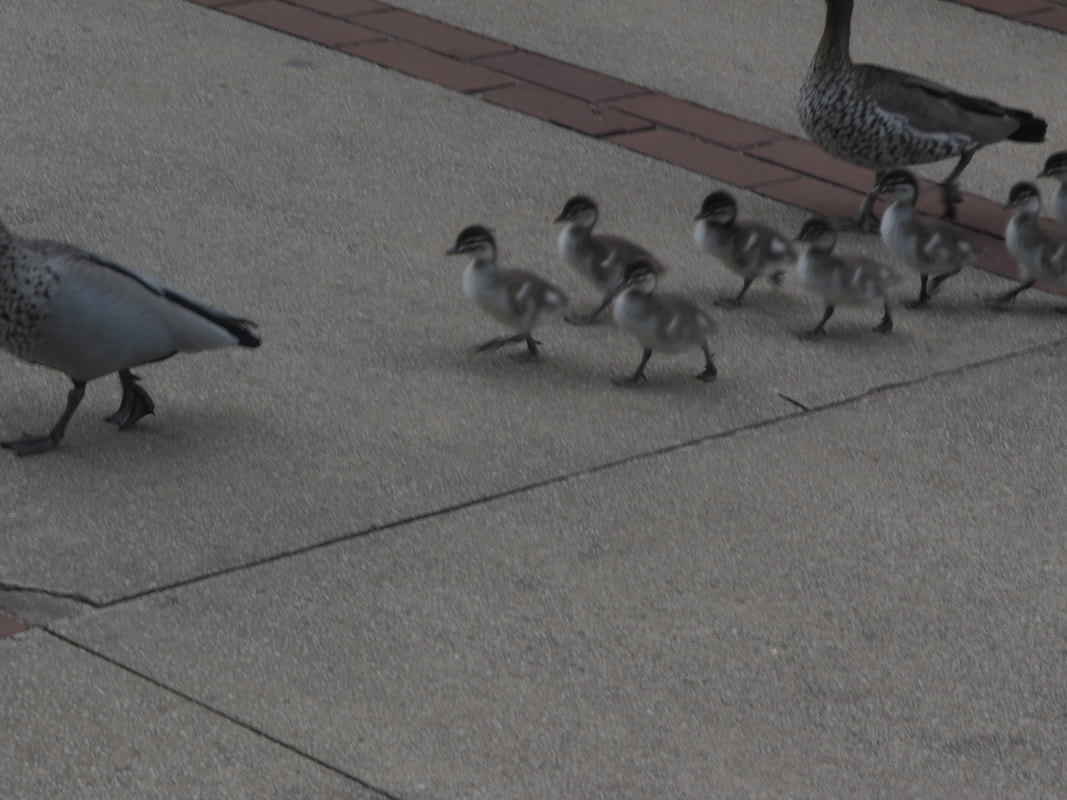
Pond residents
Picture
Picture
Picture

LEARNING CHEMISTRY FOR UNDERSTANDING

Email: [email protected]


​© The content on any page in this website (video, text, original images, and self-check) may be used without charge for non-commercial educational purposes, provided that acknowledgement is given to the Aha! Learning Chemistry with Prof Bob website, with specification of the URL: https://www.ahachemistry.com/​
  • HOME
    • TALK WITH PROF BOB?
  • LEARNING MODULES
    • Chapter 02 Stuff, matter: What is it? >
      • 0200 Stuff, matter: A theory of atoms
      • 0201 Atoms: The building blocks of all stuff
      • 0202 People classifying stuffs. Why?
    • Chapter 05 Chemical reactions and chemical equations >
      • 0500 Chemical reactions vs. chemical equations. Overview
      • 0501 Chemical amount and its unit of measurement, mole
      • 0502 The Avogadro constant: How many is that?
      • 0503 The Avogadro constant: Why is it that number?
      • 0504 Chemical formulas: What can they tell us??
      • 0505 Chemical equations: What can they tell us?
      • 0506 Limiting reactants: How much reaction can happen?
      • 0507 Balanced chemical equations: What are they?
      • 0508 Chemical reactions as competitions
    • CHAPTER 08: Reactions: What happens? >
      • 0803 Categorizaton of reactions
      • 0804 Reactions as competitions
    • Chapter 09 Aqueous solutions >
      • 0901 What is a solution? And what is not?
      • 0902 Miscibility of liquids in each other
      • 0903 Like dissolves like? Shades of grey
      • 0905 Dissolution of ionic salts in water: A competition
      • 0906 Can we predict solubilities of salts?
      • 0907 Solution concentration
      • 0908 Chemical species, speciation in aqueous solution
      • 0909 Solutes: Electrolytes or non-electrolytes?
      • 0910 Electrolytes - strong or weak?
      • 0911 Concentrated, dilute, strong, weak
      • 0912 Species concentration vs. solution concentration
      • 0913 Weak electrolytes: Getting quantitative
    • Chapter 11: Dynamic chemical equilibrium >
      • 1100 Dynamic chemical equilibrium: Overview
      • 1101 Visualising dynamic chemical equilibrium
      • 1102 The jargon of chemical equilibrium
      • 1103 Equilibrium constants: The law of equilibrium
      • 1104 The law of equilibrium: an analogy
    • Chapter 22 Evidence from spectroscopy >
      • 2200 Spectroscopy: Overview and preview
      • 2201 Quantisation of forms of energy
      • 2202 Light: Wave-particle "duality"
      • 2203 Ultraviolet-visible spectroscopy
      • 2204 Beer’s law: How much light is transmitted?
    • ENVIRONMENTAL CHEMISTRY >
      • EARTH'S ATMOSPHERE >
        • Chapter 27 The greenhouse effect, climate change >
          • 2700 The greenhouse effect: overview
          • 2701 Is Earth in energy balance?
          • 2702 CO2 in the atmosphere before 1800
          • 2703 So little CO2! Pffft?
          • 2704 Does CO2 affect Earth's energy balance?
          • 2705 The "greenhouse effect"
          • 2706 Why does CO2 absorb radiation from Earth?
          • 2707 The "enhanced greenhouse effect"
          • 2708 Why doesn't CO2 absorb the radiation from the sun?
          • 2709 Why are N2 and O2 not greenhouse gases?
          • 2710 Doesn't water vapour absorb all the IR?
          • 2711 Carbon dioxide from our cars
          • 2712 The source of energy from combustion
          • 2713 Comparing fuels as energy sources
          • 2714 Methane: How does it compare as a GHG?
          • 2715 Different sorts of pollution of the atmosphere
          • 2716 "Acidification" of seawater
      • FUELS
      • EARTH'S OCEANS AND WATERWAYS
  • TEACHERS' CORNER
    • TC01 Language and meaning in chemistry >
      • TC0101 The jargon we use
    • TC02 REPRESENTATION IN CHEMISTRY
    • TC03 MODELLING IN CHEMISTRY
    • TC04 KNOWING AND LEARNING
    • TC05 Communicating chemistry >
      • TC0501 Overview, preview
    • TC06 COMPLEXITY of LEARNING CHEMISTRY
    • TC07 PEDAGOGOICAL CONTENT KNOWLEDGE, PCK >
      • TC0701 Amnesia of the chemistry teaching professioN
    • MODULE-SPECIFIC PCK >
      • Chapter PCK11 Dynamic chemical equilibrium >
        • PCK1101 Visusalizing dynamic chemical equilibrium
        • PCK1103 Equilibrium constants: The law of equilibrium
      • Chapter PCK22 Evidence from spectroscopy >
        • PCK2204 Beer's law
  • REFERENCE DATA
    • 001 Periodic table
  • NAVIGATION
    • Table of contents
    • Index, alphabetical